
Fascial Stretch Therapy
"You have to STRETCH BEYOND where you are
to reach where you want to BE."
-Nick Vujicic-
What is Stretch Therapy?
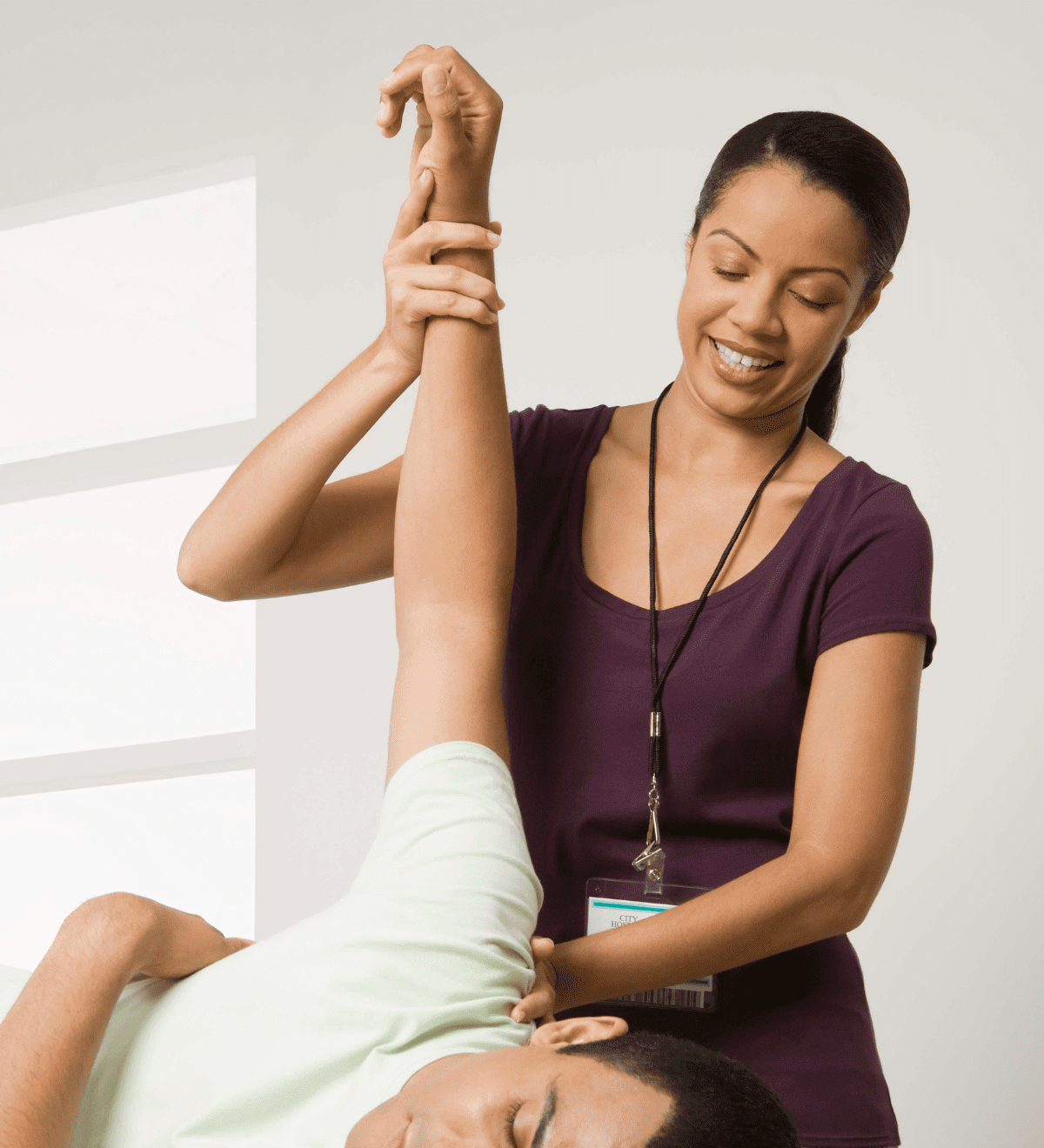
What are the benefits of Fascial Stretching?
“Fascia” is the connective tissue that runs throughout your body supporting muscles, joints and ligaments, internal organs and even nervous tissues. Fascial Stretching works to mobilize this tissue and therefore can assist with improved flexibility, postural alignment, breathing and relaxation, and reduced pain.
Muscle and joint mobility contribute to improved athletic performance and significantly reduce the probability of injury. Reducing overused and tight fascia helps to prevent and treat repetitive strain injuries.
Improved breathing helps to bring more oxygen to your body; additionally, deeper breathing stimulates the release of seretonin and promotes stress relief (an essential component to achieving improved wellness)
Is Stretch Therapy for you?
- Do you play sports or workout?
- Do you have an active job?
- Do you work a desk job?
- Do you have constant tightness in your muscles and joints?
- Are you recovering from an injury?
If you answered yes, to any of these questions then Fascial Stretch Therapy may be right for you!



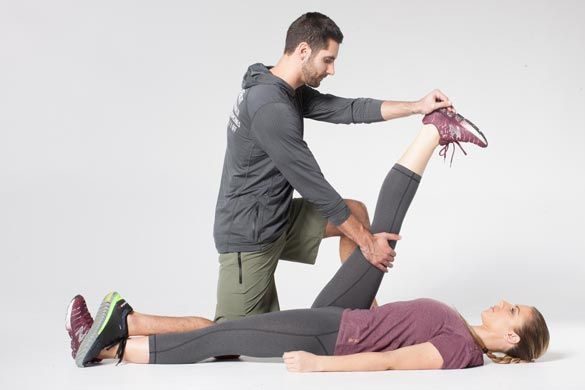
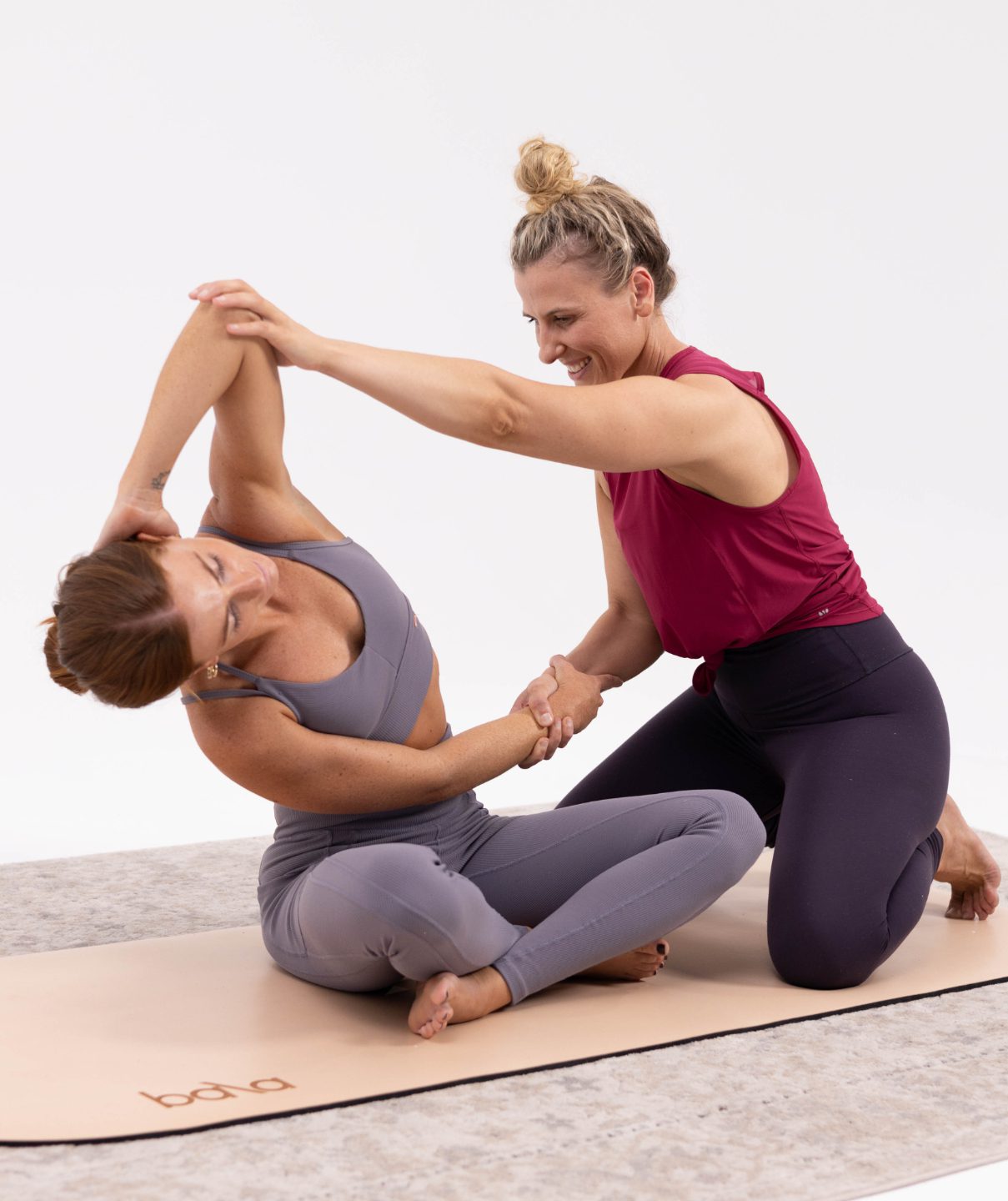
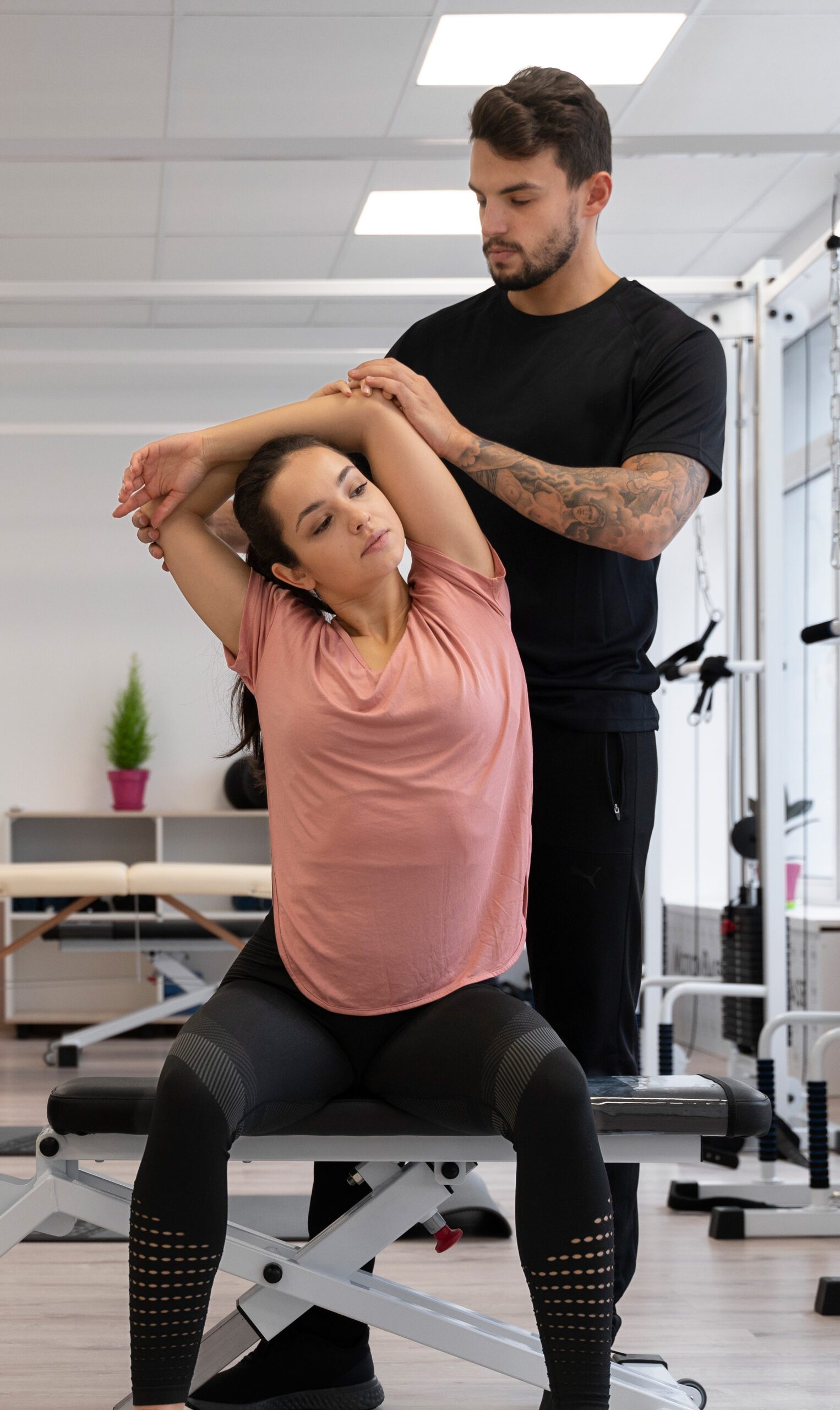
How is Stretch Therapy Different?
That is a great question!!! Our Stretch Therapy Team works one-on-one with you in the gym area (which is spacious and filled with natural light). They will work with you to develop an individual plan to help you achieve your goals.
Our therapists are all University graduates with Kinesiology backgrounds, which means they have extensive understanding of Anatomy, Physiology and Exercise Science. Additionally, our therapists work closely with the other disciplines providing expert resourses for them and for you.
There is no need to get undressed because all you need to wear is comfortably fitting clothing that will stretch with you.
Facial Stretch Therapy FAQs
• What’s the difference between stretching myself versus seeing a stretch therapist?
- While self-stretching is beneficial, working with a stretch therapist offers deeper, more targeted stretching. A trained therapist uses specific techniques to stretch muscles and fascia safely, improving flexibility and mobility and reducing pain more effectively than solo stretching. Therapists can also identify areas of tightness or restriction that you may overlook on your own.
• What should I wear?
- Wear comfortable, loose-fitting clothing that allows you to move freely, similar to what you might wear for yoga or a workout. This ensures your therapist can guide your movement and access the areas needing stretching without restriction.
• How often do you do stretch therapy?
- The frequency of stretch therapy depends on your goals, mobility, and any existing pain or stiffness. Some clients benefit from weekly sessions, while others may require sessions every two to three weeks for maintenance. Your therapist can recommend a schedule based on your individual needs.
• What does fascial mean?
- Fascia is the connective tissue that surrounds muscles, bones, and joints, providing support and structure throughout your body. Fascial stretch therapy focuses on releasing tension within this tissue to improve movement, reduce pain, and promote overall flexibility.
• Who performs stretch therapy?
- Stretch therapy is performed by trained professionals, including physiotherapists, certified stretch therapists, and Physiotherapy Assistants (PTAs). These professionals have specialized knowledge in fascial and muscular anatomy and are skilled in guiding safe, effective stretches to improve flexibility and mobility.
• Can this service be billed to my extended health care insurance?
- Stretch therapy may be covered if it’s provided by a registered health professional like a physiotherapist, and it can be included as part of a physiotherapy service. Whether it’s covered will depend on your insurance plan and whether it includes physiotherapy. It’s best to check with your insurance provider to confirm coverage for this service.
• How do I know if I am not a candidate for stretch therapy?
- While most people can benefit from stretch therapy, some conditions may require caution, such as recent surgeries, severe joint instability, or acute injuries. If you’re unsure, it’s best to consult our physiotherapist or health care provider before beginning treatment.
HOW CAN I PREVENT INJURIES WHEN I EXERCISE?
The best way to prevent injuries is to show up early and be prepared. A good piece of life advice too. If you arrive to exercise early, you have enough time to “warm up” your body and stretch before you place the heavier demands of the activity on your muscles and joints.
These rules apply to vigorous sports/exercises and recreational activities such as gardening, walking and shoveling, painting and renovating around the house, and “housework”.
WHAT IS AN RSI & HOW WILL FASCIAL STRETCH HELP?
RSI is an acronym for Repetitive Strain Injury. It is a loose categorization of injuries which are believed to originate from repetitious movements; repetitious movements can occur during sports, recreational activities (gardening), activities of daily living (driving), occupational demands (prolonged sitting or heavy repetitive tasks).
Repeating the same movement patterns over and over can cause imbalances in the muscles and fascia because your body is living tissue and it will adapt to “whatever you ask it to do” most often.
Fascial Stretching helps to address these imbalances to release the tight areas and allow the other tissues to to move better with less resistance
WHAT IS S.M.A.R.T ?
You are, because you have chosen to do something proactive for your health!
S.M.A.R.T. is an acronym we are using in the Rehabilitration circles to help promote active lifestyle changes. It stands for Stretch, Move, Add it up, Reduce strain, Talk to a Professional. These are the key ingredients to making the changes to a more active and healthy lifestyle.
An active and healthy lifestyle is accompanied by mobility. When you move well you feel well and all of our team at Physio FX is dedicated to the restoration and/or enhancement of mobility and functionality.